
Electric Car vs Petrol Cost in Egypt 2026: Running-Cost Guide
Compare electric-car charging and petrol running costs in Egypt using official 2026 fuel and electricity references, then apply the formula to your own mileage.
Quick answer
What this page owns — and what it deliberately leaves to the money pages.
This guide owns ownership-cost comparison. It does not target any individual model's price query.
Fuel cost per 100 km can be estimated from litres/100 km multiplied by the current petrol price.
Home EV charging cost per 100 km can be estimated from kWh/100 km multiplied by the household's effective electricity tariff.
EgyptERA says home EV charging is billed using the applicable residential tariff, including where a separate charging meter is installed.
Public fast-charging price, finance, insurance, tyres and depreciation can change the total ownership result, so energy cost is only one part of the decision.
Current inventory only
Ready to skip the research and compare cars you can actually buy?
The SPARKD-EV models catalog contains current inventory. Legacy /cars pages are informational only and are never mixed into the current-model recommendations in this guide.
Start with official Egypt fuel and electricity references
As of the current Ministry of Petroleum page dated 21 September 2026, petrol 92 is listed at EGP 22.25 per litre and petrol 95 at EGP 24 per litre. Fuel prices can change, so a running-cost comparison should always state the date of the input rather than treating the figure as permanent.
For home EV charging, EgyptERA states that a household installing an electric-car charger is billed according to the applicable residential electricity tariff, and a separate meter can also be installed on the residential tariff structure. The April 2026 residential tariff page lists rates from 68 piasters/kWh in the lowest band up to EGP 2.58/kWh for consumption above 1,000 kWh, with band rules that depend on monthly consumption.
Because residential billing depends on the household's consumption band, there is no single correct home-charging rate that applies to every owner. The honest comparison is to use the marginal or effective rate that actually applies to your electricity bill and multiply it by the car's real energy use.
A reusable cost-per-100-km formula
For a petrol car, multiply fuel consumption in litres per 100 km by the petrol price per litre. For an EV charged at home, multiply electricity consumption in kWh per 100 km by the electricity price per kWh. This creates an energy-only comparison on the same distance basis.
Do not use a manufacturer's best-case consumption figure if your real driving is very different. Motorway speed, air-conditioning, traffic, wheel size and driving style can change both petrol and electric consumption. Use your own measured consumption once you own the car, or use a conservative estimate when shopping.
| Vehicle type | Formula per 100 km | Example input |
|---|---|---|
| Petrol | Litres/100 km × EGP/litre | 8 L/100 km × petrol 92 price |
| Battery EV | kWh/100 km × EGP/kWh | 18 kWh/100 km × your home tariff |
| REEV / PHEV | Electric portion + fuel used by generator/engine | Depends heavily on charging frequency |
Worked example using current official fuel prices
Take a petrol car that uses 8 litres/100 km. At EGP 22.25 per litre for petrol 92, the fuel-only cost is EGP 178 per 100 km. At EGP 24 per litre for petrol 95, the same 8 L/100 km car costs EGP 192 per 100 km in fuel.
Now take a BEV using 18 kWh/100 km. At an illustrative household electricity rate of EGP 2.10/kWh, the energy cost is EGP 37.80 per 100 km. At EGP 2.58/kWh, it is EGP 46.44 per 100 km. These electricity figures are examples using tariff values published by EgyptERA; your actual household billing band may be lower or different.
The example shows why home charging can materially reduce energy cost, but it is not a total-cost-of-ownership guarantee. Purchase price, financing, insurance, tyres, service, battery warranty, public fast charging and resale value all matter. A premium EV can still cost more overall than an inexpensive petrol car even when energy cost is lower.
| Scenario | Consumption | Energy price | Energy cost / 100 km |
|---|---|---|---|
| Petrol 92 | 8 L/100 km | EGP 22.25/L | EGP 178.00 |
| Petrol 95 | 8 L/100 km | EGP 24.00/L | EGP 192.00 |
| BEV example | 18 kWh/100 km | EGP 2.10/kWh | EGP 37.80 |
| BEV example | 18 kWh/100 km | EGP 2.58/kWh | EGP 46.44 |
Energy is not the only ownership cost
A proper comparison includes purchase price, finance cost, insurance, tyres, scheduled maintenance, home-charger installation, public charging, warranty and depreciation. Electric vehicles generally have fewer routine combustion-engine service items, but premium tyres, suspension, body parts and insurance can still be expensive.
The size and performance of the car matter too. A powerful premium EV may use significantly more electricity than a compact city EV. Comparing a small efficient EV against a large petrol SUV can exaggerate the powertrain effect because you are also comparing vehicle size and performance. Where possible, compare similar body styles and use cases.
- Vehicle purchase price
- Financing cost
- Insurance
- Tyres
- Scheduled service
- Home charger and installation
- Public charging
- Warranty coverage
- Depreciation / resale
REEV and plug-in cars need a different running-cost calculation
A REEV or plug-in vehicle can be very cheap to run on days when most distance is covered from charged electricity, but more expensive on trips where the engine operates for long periods. The result depends heavily on charging frequency and the exact system efficiency.
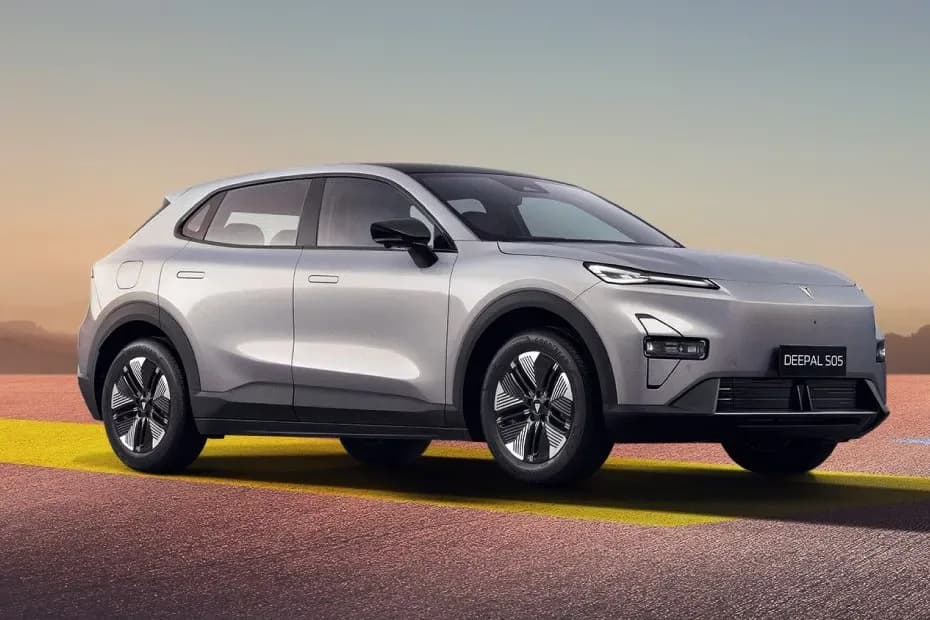
This is why the powertrain label alone is not enough. If you are comparing a Deepal S05 REEV, IM LS9 or ROX 01 with a BEV, use the model-level technical data and think about what percentage of your monthly distance would realistically be electric.
Current REEV examples
 Current model
REEV
Deepal S05 REEV
From EGP 1,674,000
The range-extended S05 combines electric drive with a 1.5-litre generator for a longer combined driving range.
Price, trims & specs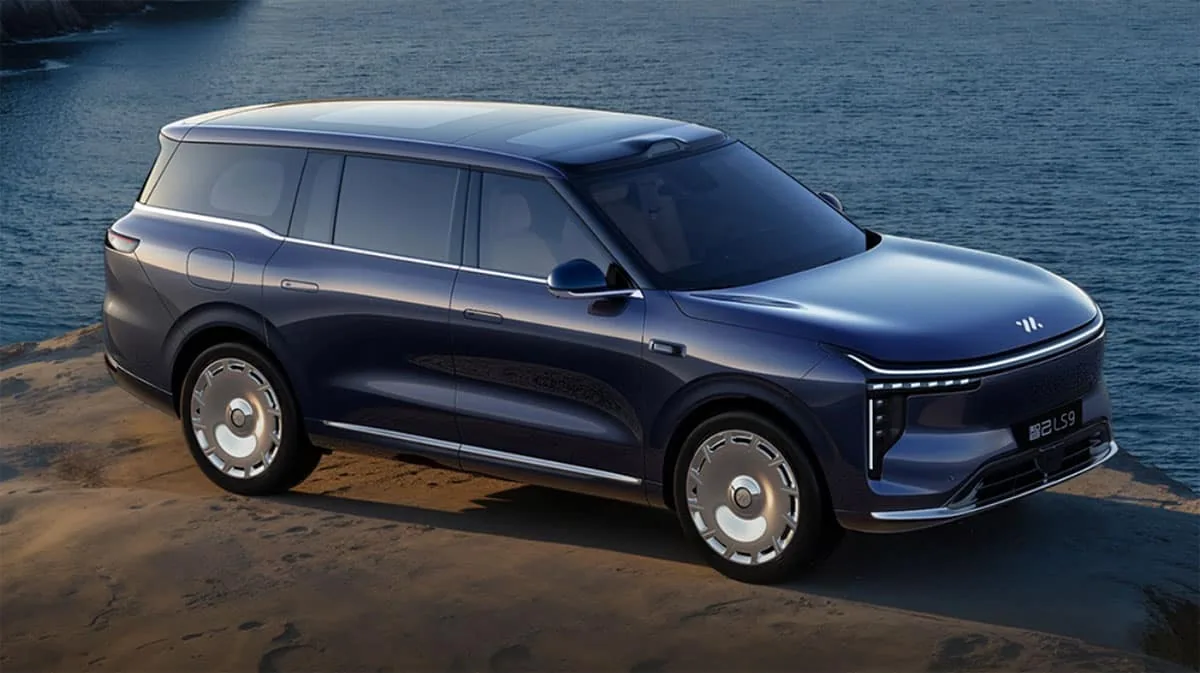 Current model
REEV
IM LS9
From EGP 3,499,000
A three-row flagship SUV combining a large battery with a 1.5-litre range extender for long-distance flexibility.
Price, trims & specs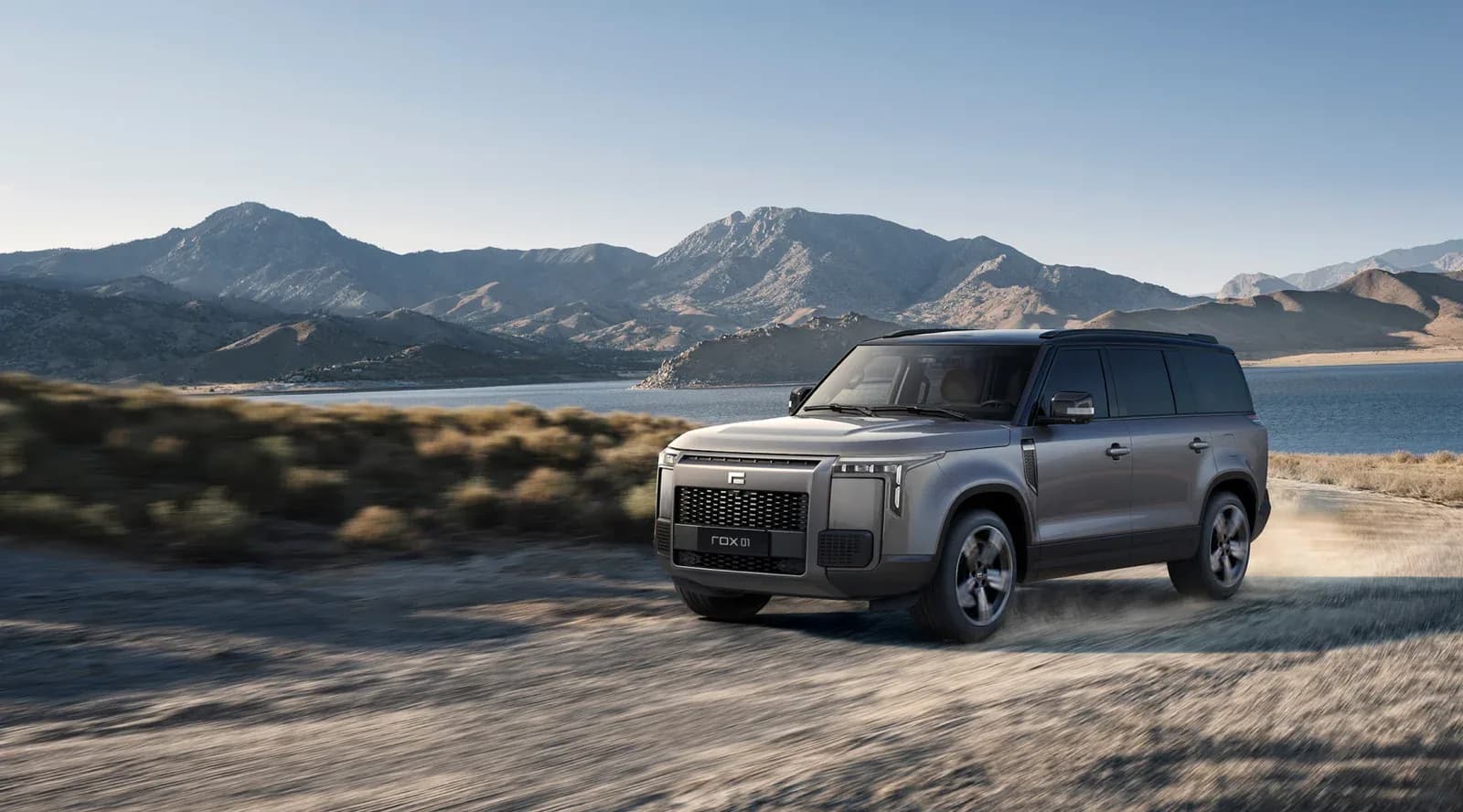 Current model
REEV
ROX 01
From EGP 3,899,000
A large range-extended luxury SUV offering six- and seven-seat layouts and strong dual-motor all-wheel-drive output.
Price, trims & specsUse running cost as one filter, then return to the current model pages
If your annual mileage is high and home charging is easy, energy-cost savings can become a strong part of the EV case. If annual mileage is low, purchase price and depreciation may matter more than energy savings. The decision should therefore combine your kilometres per year with the exact car you are considering.
Use the SPARKD-EV model pages to compare the actual vehicle price, range, battery, warranty and powertrain. Then use this cost formula with your real mileage and tariff assumptions. That keeps the blog educational while the money page remains the commercial destination.
Pillar guide
Electric Cars in Egypt 2026: Prices, Models, Charging & Buying Guide
A buyer-first guide to choosing an EV in Egypt, comparing powertrains, budgets, charging, range and current SPARKD-EV models without competing with model-specific price pages.
Open guideSupporting guide
Electric Car Prices in Egypt 2026: Current Models by Budget
Compare current SPARKD-EV starting prices by budget without taking model-specific price ownership away from individual money pages.
Open guideSupporting guide
Best Electric Cars in Egypt 2026: Choose by Use Case
A practical shortlist of current SPARKD-EV models by city use, family needs, premium driving and long-distance requirements.
Open guideFAQ
Frequently asked questions
Is an electric car cheaper to run than a petrol car in Egypt?+
Home-charged BEVs can have a much lower energy cost per 100 km than a comparable petrol car, especially at current petrol prices. But total ownership also depends on purchase price, finance, insurance, tyres, charging mix and depreciation.
How much does petrol 92 cost in Egypt in September 2026?+
The Egyptian Ministry of Petroleum page lists petrol 92 at EGP 22.25 per litre on 21 September 2026. Fuel prices can change, so update the input before using the calculation later.
What electricity tariff applies to home EV charging in Egypt?+
EgyptERA states that home EV charging is billed under the applicable residential electricity tariff. The exact cost per kWh depends on the household's monthly consumption band, so there is no single home-charging price for every owner.
How do I calculate EV charging cost per 100 km?+
Multiply the car's electricity consumption in kWh/100 km by your effective electricity price in EGP/kWh. For example, 18 kWh/100 km multiplied by EGP 2.10/kWh equals EGP 37.80 per 100 km in energy.
Does this page include the purchase price of a specific EV?+
No. Individual model prices remain on the current SPARKD-EV /models pages. This article only explains running-cost methodology and category-level ownership economics.

About the author
SPARKD-EV Editorial Team
The SPARKD-EV Editorial Team prepares buyer-focused EV research for Egypt using the current vehicle catalog, model-level technical references and practical showroom context. Commercial model queries remain on the individual /models pages so these guides support, rather than compete with, the cars currently sold by SPARKD-EV.
Real customer feedback
What SPARKD-EV customers say on Google
Selected public Google reviews shared for this update. The live Google listing can contain additional positive and critical feedback, so use the full listing when you want the complete review history.
“Very decent…know how to treat people respectfully”
Ahmed Barakat
Google review
“One of the best places to buy an electric car, excellent customer Service”
hossam ashraf
Google review
“The best in ev. Highly recommended”
Islam Idrees
Google review
“Great showroom”
Mo2men Karam
Google review
“A wonderful place”
Shaban Geme
Google review

SPARKD-EV showroom in New Cairo — real showroom photography already used across the SPARKD-EV website.
Physical showroom
Visit SPARKD-EV in New Cairo
See current vehicles in person, discuss availability and financing, and ask the team which model best fits your budget and charging routine.
Business Park, Building B3-A-2, Mivida, New Cairo, Egypt
External references
Sources used for time-sensitive Egypt energy context
Vehicle prices and model specifications are taken from SPARKD-EV's current model dataset and the model-level technical sources already linked on each money page. External sources below support the Egypt electricity and fuel claims used in this guide.
Next step
Move from research to a current model shortlist.
Choose two or three current SPARKD-EV models, open their money pages and compare the exact listed price, trims, range, charging and warranty. Then contact the team to confirm stock and test-drive availability.